
When AI Plans the Attack: Palantir’s New Chatbot Brings Battlefield Strategy to Life
Eron Mahmuti
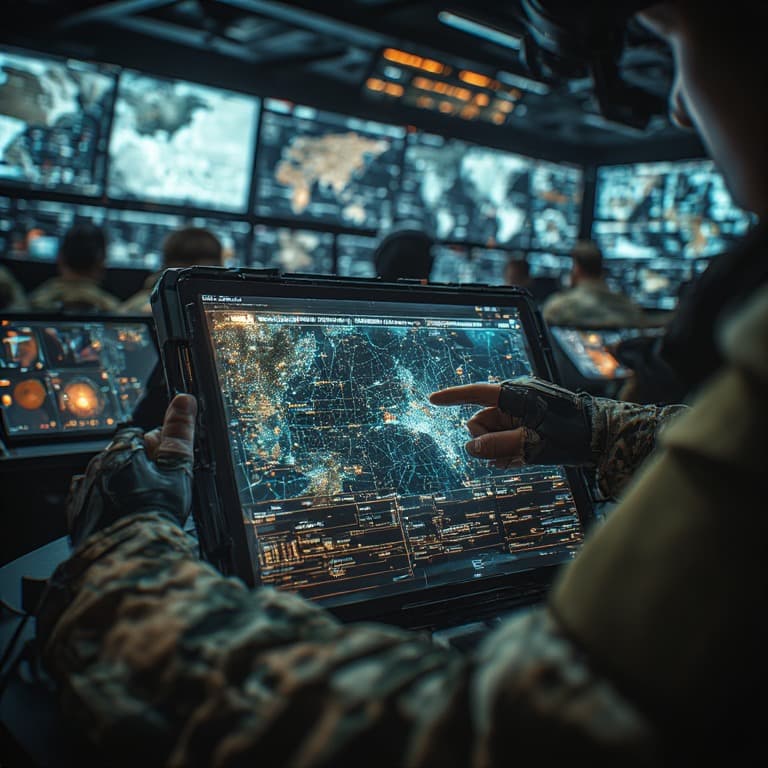
Palantir Demos Show How the Military Could Use AI Chatbots to Generate War Plans
Artificial intelligence is finding new roles every day, and now it’s even reaching the world of military planning. Recently, the tech company Palantir showed how AI chatbots could help the military create and test war plans much faster than before.
Palantir, based in the United States, builds advanced software that helps people analyze data and make decisions. In their latest demo, the company showed a chatbot that can answer complex military questions — almost like a smart digital assistant for commanders. For example, an officer could ask, “What should we do if enemy troops move into this area?” and the chatbot would instantly suggest different actions, show maps, and predict possible outcomes.
The idea is simple: let the AI do the heavy data work, so humans can focus on what really matters — making the right call. The chatbot can gather information from many sources, combine it, and present options clearly in seconds. This could save time during situations where every moment counts.
But even with all this potential, there are concerns too. Some people worry about what happens if the AI gives bad advice or misreads a situation. Others ask if it’s safe to trust machines in military decisions that could affect lives. Palantir and the U.S. military say that humans will always have the final say, and the AI is only there to support them — not replace them.
This kind of technology shows how fast AI is moving into critical areas like defense. It can be powerful, but it also brings big responsibilities. As more armies start to use AI, it’s important to think about where to draw the line between what machines can do and what should stay in human hands.
Palantir’s demo is a glimpse into the future — one where AI helps plan complex missions and understand data faster than ever. The question now is not whether the military will use AI, but how far it should go.
By Eron Mahmuti
Share this article